
Trump says Cuba may or may not be ‘friendly takeover’
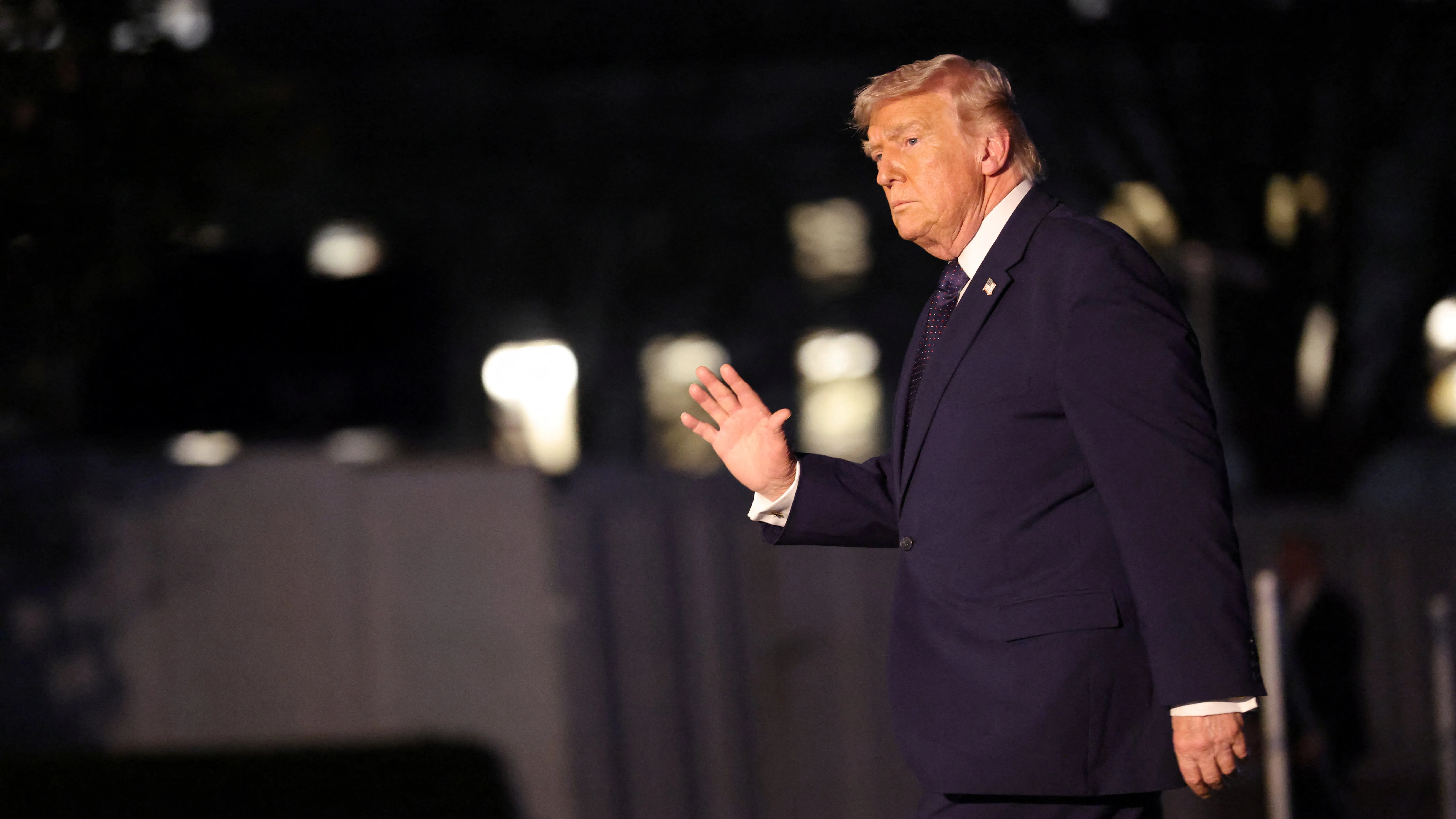
President Donald Trump said the U.S. may or may not do a “friendly takeover” of Cuba.
- Cuban President Miguel Díaz-Canel confirmed his government is holding talks with the Trump administration.
- The discussions are aimed at finding solutions to bilateral differences between the two nations.
- The talks could lead to a significant economic opening for Cuba and come amid escalating pressure from the U.S.
- Cuba also plans to release 51 prisoners as part of a deal brokered by the Vatican.
Cuban President Miguel Díaz-Canel on March 13 confirmed his government is holding talks with the Trump administration, in the latest sign that the communist-run nation is open to signing an economic deal with the United States.
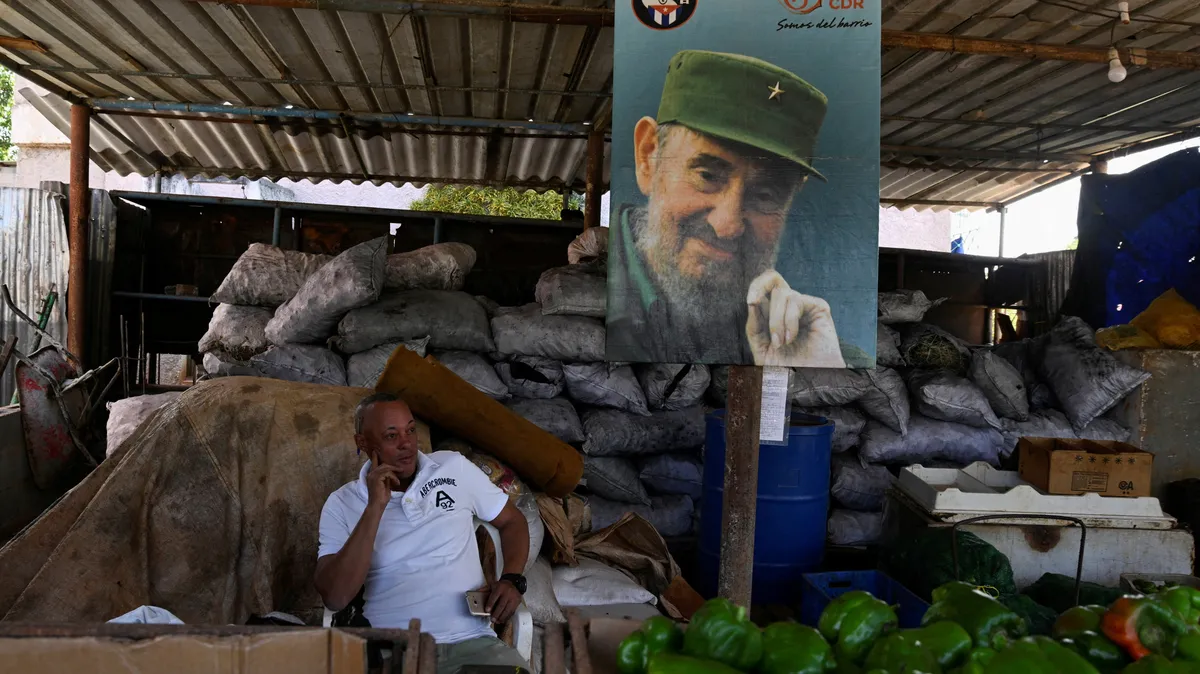
Díaz-Canel made the announcement in a video broadcast on national television and he also spoke in a subsequent press conference, where he addressed Cuba’s energy needs amid a U.S. oil blockade, saying no fuel has entered Cuba in three months. He said the talks with the U.S. have reached initial phases only.
“These conversations have been aimed at seeking solutions through dialogue to the bilateral differences that exist between our two nations,” Díaz-Canel said.
The rare comments from the Cuban leader could potentially lead to Cuba’s biggest economic opening since the state seized and enacted sweeping nationalizations to the economy in 1961 in the wake of the Cuban Revolution. It comes amid escalating pressure from President Donald Trump to force a change on Cuba that could have implications for Americans’ ability to travel to and do business on the Caribbean island.
USA TODAY previously reported that the Trump administration is preparing an economic deal with Cuba that could be announced soon, though the details of the prospective deal and exact timing are not known.
Díaz-Canel was handpicked by Cuba’s former leader Raúl Castro − the brother of Fidel Castro, who led the 1959 revolution that toppled the Cuban government − as his successor.
“In accordance with the consistent policy upheld by the Cuban Revolution − and under the leadership of the Army General as the historic leader of our Revolution (referring to Raul Castro), as well as my own, and with the collective endorsement of the highest governing bodies − Cuban officials have held talks with representatives of the United States government,” Díaz-Canel said.
He also confirmed that Cuba’s government will release 51 people from the island’s prisons in the coming days as part of a Vatican-brokered deal. Cuba’s foreign ministry announced that move on March 12.
The White House has not commented on the possible economic deal or the coming prisoner release.
But Trump has signaled he wants Cuba to “make a deal” and he is prepared to use Washington’s leverage on Cuba, saying of the country that it may face “a friendly takeover. It may not be a friendly takeover.”
Cuba is the third country after Venezuela and Iran that Trump has pressured to reform either economically, politically or militarily. Cuba has faced acute fuel shortages and rolling blackouts across large parts of the island as the Trump administration has instituted a de facto blockade of oil imports.